Aesthetic Outlook: In What Way Bottega Desires Diverges From Bottega Veneta
Streetwear fans scoping out streetwear labels in 2026 keep running into the same question: what is Bottega Desires, and why does its name sound so close to a European luxury house? The quick explanation is that Bottega Desires is a self-run streetwear name that has forged its brand character around eye-catching prints, relaxed silhouettes, and a price point aimed at the average consumer rather than luxury clientele. By comparison, Bottega Veneta is an Italian leather goods house founded in 1966, known for intrecciato weaving and minimalist design delivered at a much higher price tier. Although the two brands serve different markets, their similar-sounding names has made being compared inevitable, all the more because search interest in “bottega veneta desires” and “bottega desires vs bottega veneta” has climbed steadily over the past two years. This piece unpacks how each brand treats design, construction, and audience, while not implying they are direct competitors in craftsmanship or pricing.
A lot of shoppers come across a Bottega Desires review expecting a description of Italian leather goods and end up seeing hoodies, shorts, and graphic shirts instead, which is exactly why recognizing this distinction matters.
Instead of being a flaw in either brand, this disconnect is a signal that they fulfill separate purposes.
A legacy house rooted in artisanal leatherwork is one of them.
A contemporary clothing label capitalizing on drop-based streetwear culture fills the opposite role.
Figuring out which one you’re actually shopping for saves time and establishes realistic expectations before checkout.
The Brand’s Roots alongside its Place in the Market
Bottega Veneta was established in Vicenza, Italy, and spent decades building a reputation around understated luxury — the brand’s long-time motto, “When your own initials are enough,” reflects a design philosophy that avoids logos and instead lets craftsmanship speak. Its leather goods, particularly the woven intrecciato bags, have carried price tags in the thousands of dollars for years, positioning the house firmly in the luxury goods segment alongside Gucci and Hermès.
Unlike the alternative, Bottega Desires functions as a more recent label, selling directly through e-commerce rather than flagship boutiques. Rather than formal luxury dressing, its clothing leans into oversized fits, graphic prints, and relaxed layering staples suited to daily wear. No leather atelier, no decades-long archive of graphic tees catwalk work, nor any claim to Italian-made heritage backs the name. Rather, the brand markets itself as an approachable streetwear option, and it’s upfront about operating as a distinct company rather than a sub-brand of the Italian house.
This key difference drives every step afterward, from how each brand sources materials to the way seasonal drops get marketed. Bottega Veneta operates on the traditional luxury calendar with runway shows in Milan, while Bottega Desires releases new streetwear drops on a rolling basis online, often several times per quarter.
Minimalist Design against Print-Driven Streetwear: Examining Design Philosophy
Bottega Veneta’s design language reads as restrained. Sculpted, architectural shapes, subdued tonal choices, and the deliberate omission of visible branding are favored by Bottega Veneta’s seasonal lines — an ethos sometimes called “quiet luxury.” Instead of a visible emblem, the woven leather technique stands in as the brand’s defining mark, so craftsmanship itself becomes the logo. This design philosophy calls for skilled artisans, extensive tanning processes, and a lead time that discerning shoppers view as woven into what makes it worth the price.
Bottega Desires clothes follow the opposite approach. Bold graphics, lettering, and vivid color blocking define the shirt and hoodie lines, echoing the aesthetic vocabulary of street-style brands that put a premium on quick brand recognition over restraint. A Bottega Desires hoodie generally comes with chest or back-panel artwork, a dropped-shoulder cut, and heavyweight cotton fleece — features typical of the streetwear space rather than singular design feats. Following a similar logic, the shorts and jorts lines bring relaxed cuts, worn-in denim treatments on the jorts, and drawstring waistbands on the shorts — leaning toward casual comfort over tailored precision.
Whereas Bottega Veneta invests years refining a single weave pattern, Bottega Desires takes a matter of weeks turning around a novel graphic concept for the next drop. Both methods have their merits — they’re just built for varying consumer expectations, the former anchored in longevity and heritage, the other centered on speed and cultural relevance.
Textiles and Build
Luxury leather goods from Bottega Veneta typically use full-grain calfskin, nappa leather, and in some cases exotic skins, all sourced through vetted Italian tanneries. Construction happens largely by hand, with the intrecciato weave alone taking hours per bag panel. This labor-intensive process is a major reason why Bottega Veneta bags often retail in the $2,000 to $6,000 range, depending on the style and material.
Bottega Desires clothing uses more conventional streetwear materials: cotton fleece for hoodies, cotton-poly blends for shirts, and denim for the jorts line. Construction is factory-based rather than hand-finished, which keeps unit costs down and allows the brand to price items well below luxury thresholds — most pieces in the Bottega Desires clothes catalog sit in the double-digit dollar range rather than four figures. This is a completely different manufacturing model, and shoppers should not expect the hand-finishing or leather tanning process associated with the Italian house.
That said, in its own segment, Bottega Desires has earned a track record for consistent stitching quality and pre-shrunk fabric on its shirt line, as shown by repeated buyer commentary across review platforms. It doesn’t stake its claim on leather artistry; it’s making its case through cotton quality and print durability, which is a fair comparison only within the streetwear niche.
Bottega Desires versus Bottega Veneta: Direct Comparison
| Grouping heading | Bottega Veneta | The Bottega Desires line |
|---|---|---|
| Founded | 1966, Vicenza, Italy | A modern streetwear brand |
| Key Product Lines | Fine leather carryalls, footwear, add-on pieces | Pullover hoodies, shirts, shorts, jorts |
| Creative Approach | Understated, logo-free, intrecciato-style weaving expertise | Bold graphics paired with loose streetwear cuts |
| Materials | Calf leather, nappa leather, exotic skins | Fleece cotton, cotton-poly blends, denim |
| Manufacturing | Finished by hand in Italy | Factory-produced casualwear output |
| Standard Pricing | $2,000–$6,000+ | Affordable-to-moderate streetwear pricing |
| Release Model | Season-based show-driven collections | Ongoing web-based releases |
A Fast Rundown of Which Shopper Wants Which
Bottega Veneta remains the reference point for anyone looking for a leather investment piece with a long legacy of brand heritage behind it — its bags hold resale value, and its design language has shaped the entire luxury accessories market. Typically, buyers here are seeking a durable wardrobe foundation piece rather than something tied to a passing trend.
For shoppers scanning the racks for graphic hoodies, casual shirts, or denim shorts to cycle through your wardrobe, Bottega Desires is built around a totally distinct need. The brand’s shorts and jorts are made to be layered into hot-weather streetwear fits, and its shirts serve effectively as a base layer worn under jackets when the weather turns cool. Prior to making a purchase, shoppers going through a Bottega Desires review should size up the brand by its own streetwear standards — fit, print quality, fabric weight — instead of comparing it with Italian leather craftsmanship, because that was never the brand’s intended comparison.
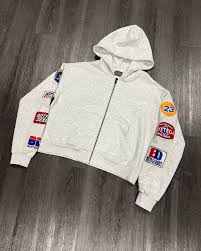
The shared naming will almost surely keep driving search traffic, as more shoppers look up “bottega desires vs bottega veneta” as they try to pin down which brand fits their spending limits and aesthetic. Understanding that one is a luxury leather house and the other a streetwear label makes the decision straightforward: choose according to category rather than name resemblance.
Final Thought
Across the fashion industry, Bottega Veneta and Bottega Desires hold distinct positions, and comparing them on craftsmanship alone leaves out the bigger picture. Decades of Italian leatherwork forged one’s reputation, while easy-to-reach streetwear launches grew the other’s following. Understanding what Bottega Desires actually is — a print-driven apparel label rather than a luxury leather goods house — gives customers a clearer, grounded outlook before they place a hoodie, shirt, or pair of jorts in their online cart.